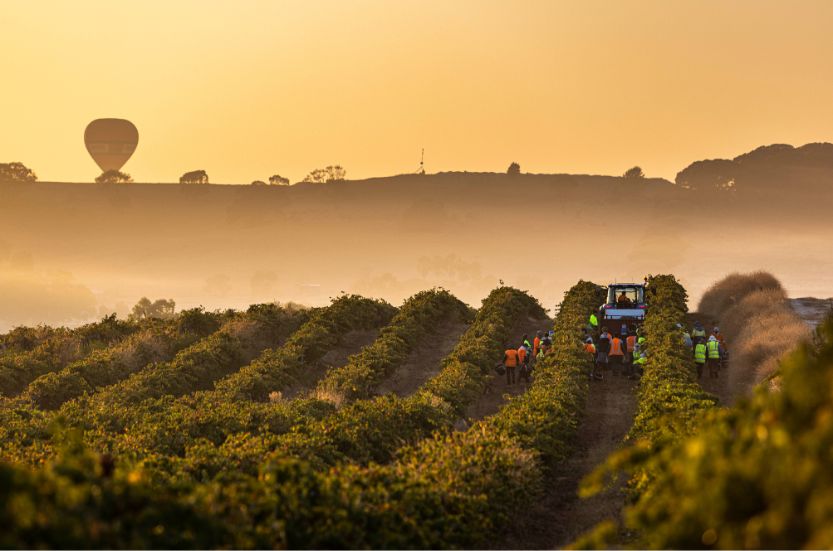
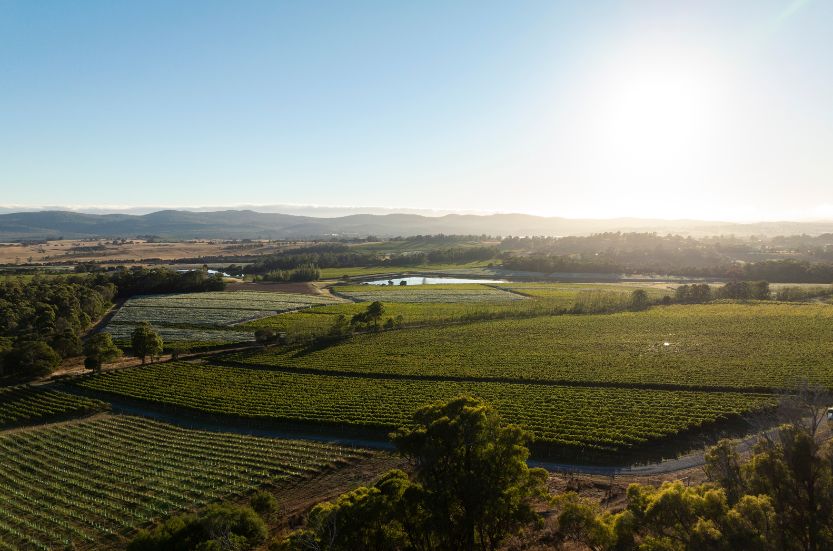
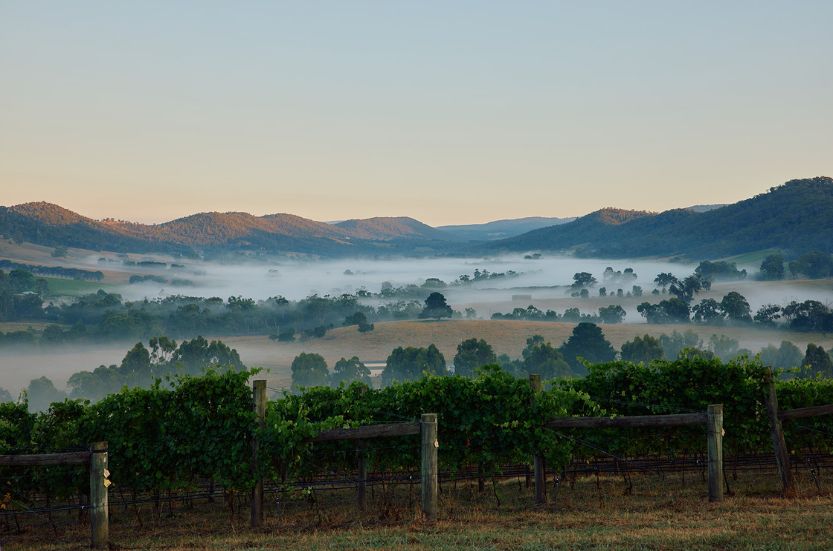
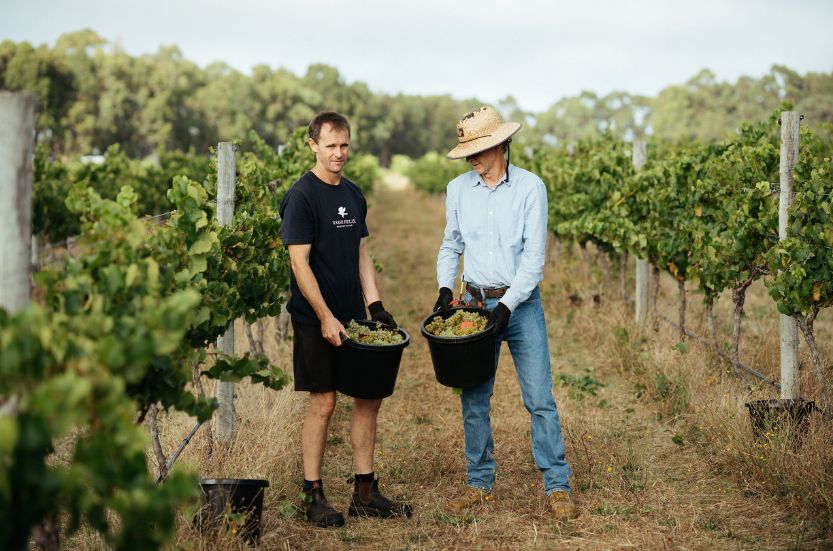
There’s an old saying in the industry: ‘A late Easter equals a late vintage.’ This was not the case in 2025. Easter fell in late April, yet winemakers across the country almost universally reported an early vintage, with many claiming the earliest ever. This was mostly thanks to the warmer than average conditions that were also experienced in most Australian regions, particularly those in South Australia, Victoria and Tasmania.
Challenges were faced by growers in New South Wales, where conditions were a little too wet at times, and swathes of South Australia were devastated by spring frosts. Things were better in Western Australia, where most regions described a ‘textbook’ vintage.
Overall, despite what was for many a hard and fast harvest, and the other challenges that arose, reports overwhelmingly indicate an outstanding 2025 vintage across the board, with high-quality fruit and excellent wines expected from many regions.
Find detailed vintage notes on each of the sub-regions of Queensland right here, or get to know what happened across different states by inspecting the complete 2025 Australian Vintage Report.
Granite Belt
The Granite Belt reported an excellent 2025 vintage. While spring was largely dry, rain at the beginning of the season assisted in early shoot development, and rain during summer assisted in berry development without impacting quality. Thankfully, Tropical Cyclone Alfred fizzled out before it could wreak too much havoc, and yields were up on 2024. Fruit quality was ‘through the roof’ according to one producer, with viognier, fiano, verdelho, chardonnay and semillon showing the best in the whites, and tempranillo, saperavi, malbec, cabernet sauvignon and cabernet franc the best in reds. Overall, shiraz was the standout – arguably the best in 40 years.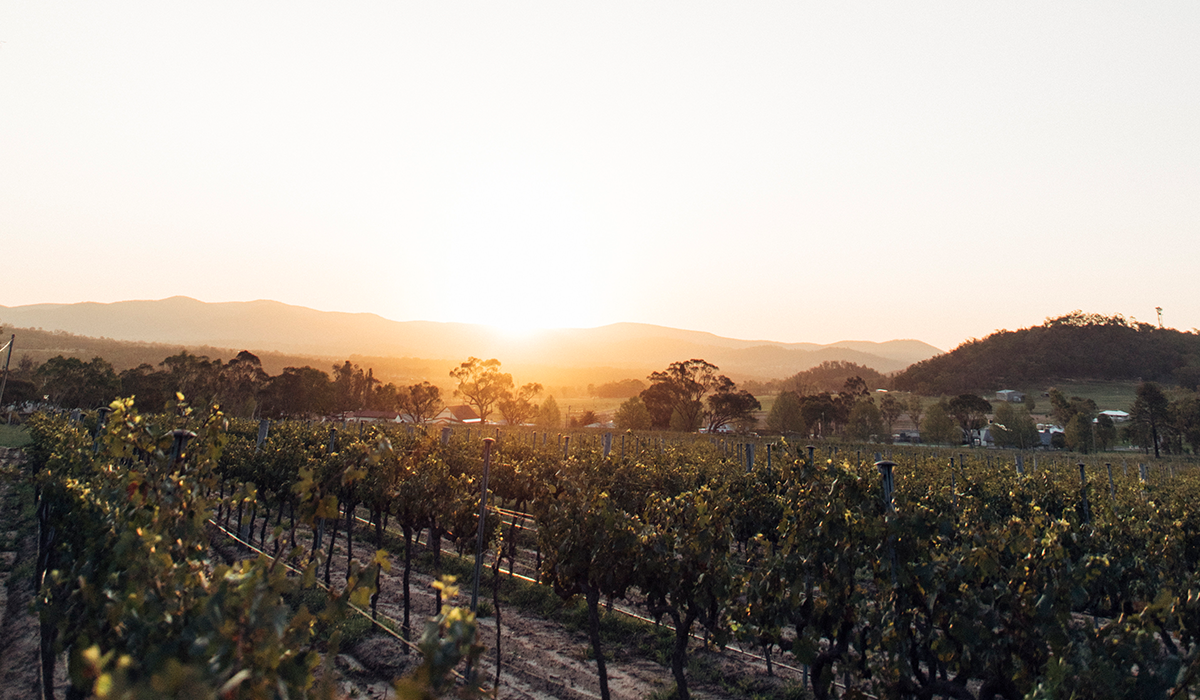
South Burnett
Sadly, things were less rosy in South Burnett. Winter was pretty dry but the rain which began to fall in October became disastrous by December, with disease affecting yields and even, in the worst cases, wiping out entire vineyards. Some producers also found their vineyard foliage was affected by armies of Agarista agricola caterpillars. All this led to low yields and low-quality fruit. Red varieties are expected to be used for light red or rosé wines only, although viognier is looking good.
Top image credit: Balancing Heart.
Latest Articles
-
News
2027 Halliday People's Choice Award Top 10
13 Aug 2026 -
From the tasting team
Wines with altitude: Jeni Port on the latest release from VS&B
12 Aug 2026 -
Wine Lists
Cheers to International Pinot Noir Day: here are 11 top-rated bottles to celebrate with
12 Aug 2026 -
Wine Lists
Looking for something new to drink? Here are eight top-rated wines to try
6 Aug 2026